Fondazione Maitreya · Via Clementina 7 · Monti, Rome
The encounter
The first meeting.
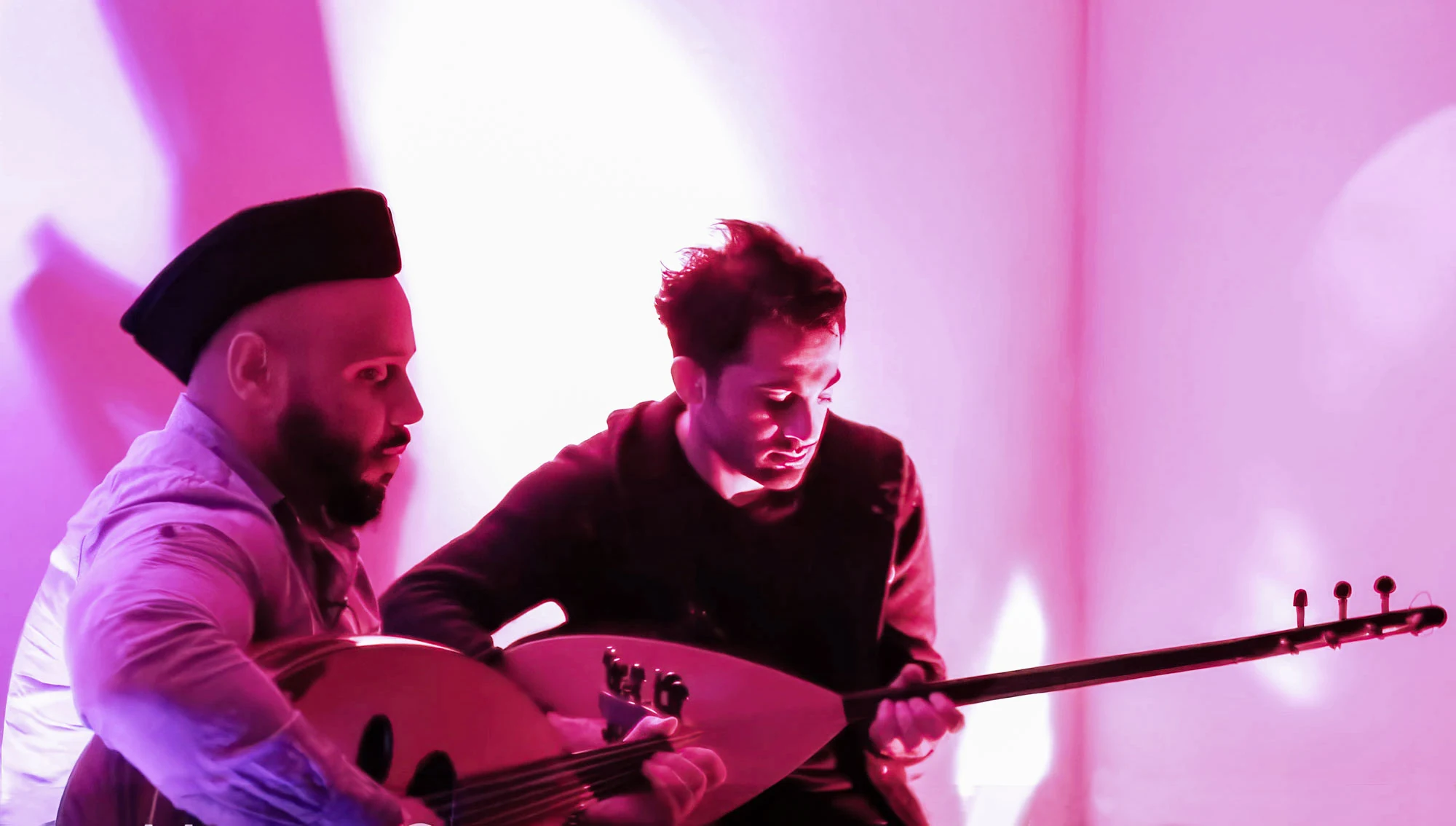
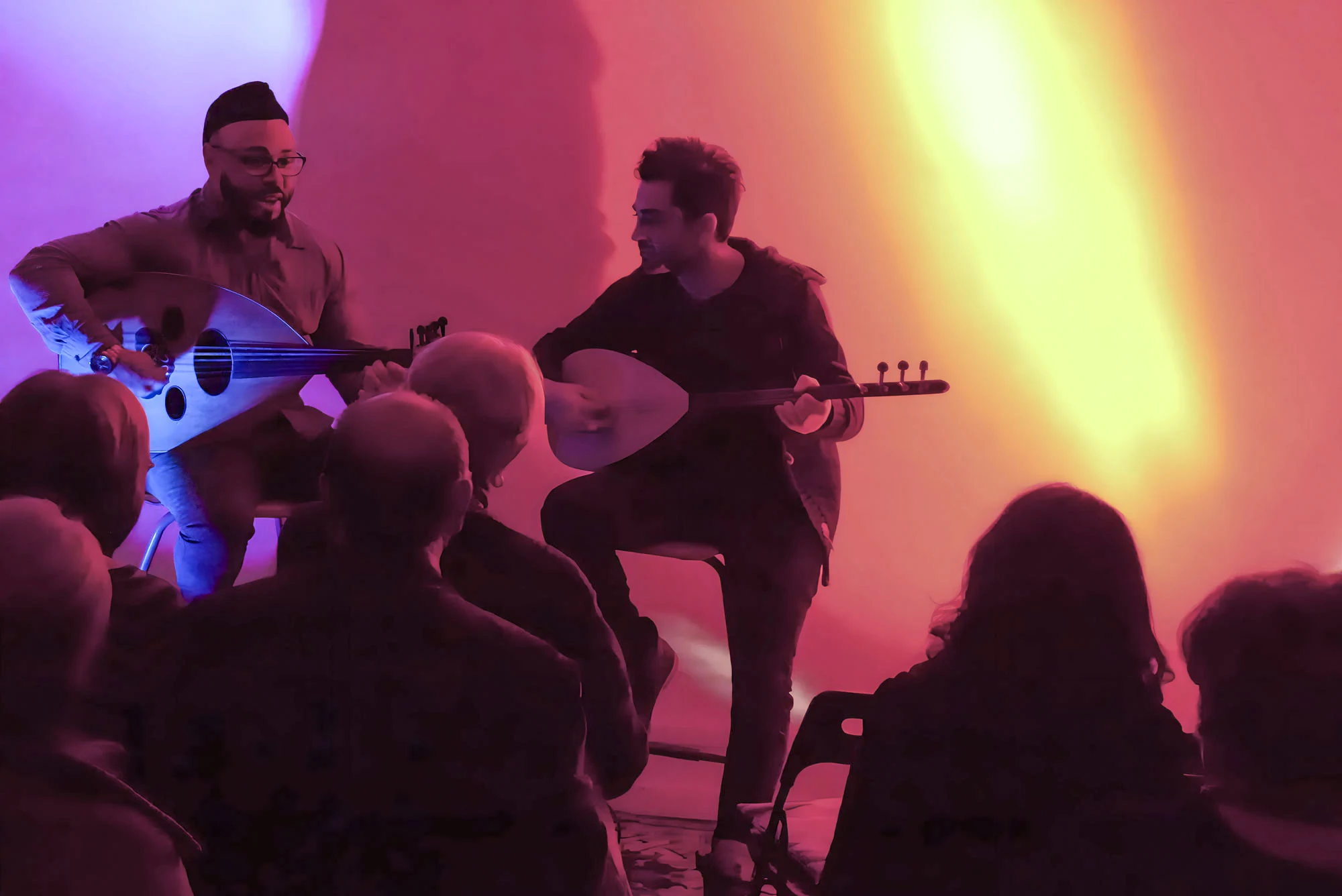
On 29 January 2016, the first Accordi di Pace concert brought Serhat Akbal and Marwan Samer together at Fondazione Maitreya in Monti, Rome.
Forty people attended. Before the music began, there was an aperitivo of natural wines and organic food.
They performed Kurdish and Iraqi music together. The concert opened a series planned for the last Friday of each month from January to May 2016.
Source: Culture del Mondo announcement, January 2016.
The context
Two histories in one room.
Serhat Akbal described himself in the 2016 interview as coming from Kurdistan, in the Turkish part. The original announcement described him as a Kurdish political refugee.
Marwan Samer was described in the announcement as half Iraqi and half Tunisian.
The encounter took place within a region marked by conflict, displacement and difficult questions of coexistence. Music was not presented as a solution to any of this. It was a space in which two musicians could meet, play and speak from their own histories.
In January 2016, the region marked by these borders was experiencing displacement, military conflict, and the aftermath of ISIS territorial expansion. Music was not presented as a solution to any of this.
Sources: Culture del Mondo announcement, January 2016; Serhat Akbal interview, January 2016.
Where they come from
A locator rather than a political map. Serhat's interview identifies Kurdistan in Turkey; the original announcement identifies Marwan's Iraqi and Tunisian heritage.
The performance
Fondazione Maitreya, 29 January 2016.
The original documentation records the musicians sharing the same small performance space, with audience members seated close to the performers.
The instruments
Serhat Akbal
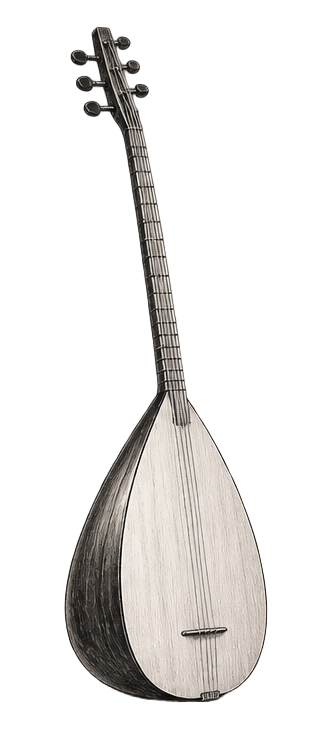
Bağlama / Saz
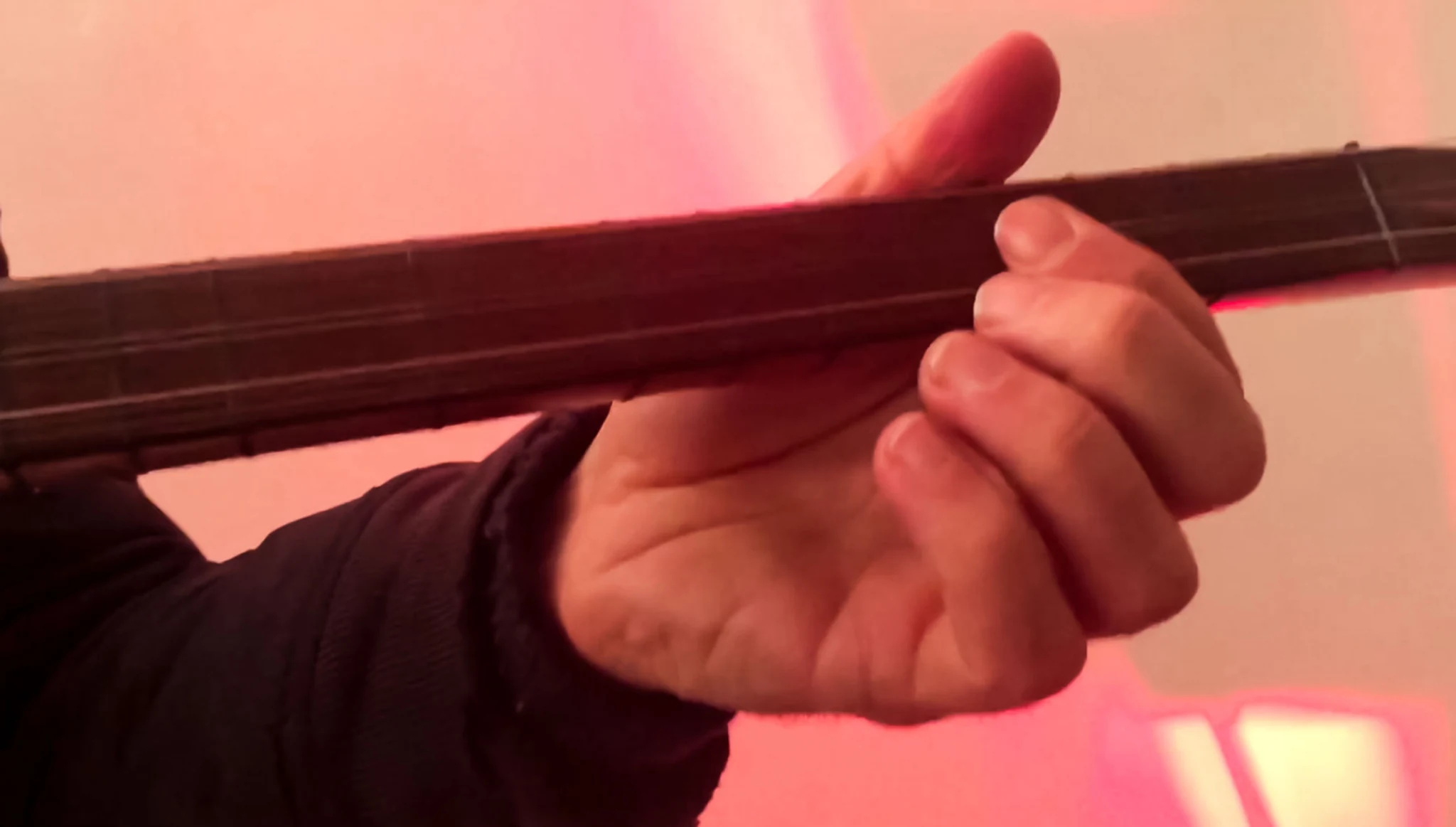
A long-necked lute central to Kurdish and Turkish musical traditions. Its frets can be adjusted to create the subtle intervals characteristic of modal music across the region.
It is closely associated with sung poetry as well as instrumental performance, an instrument that can carry melody, accompaniment and voice within the same musical language.
Marwan Samer
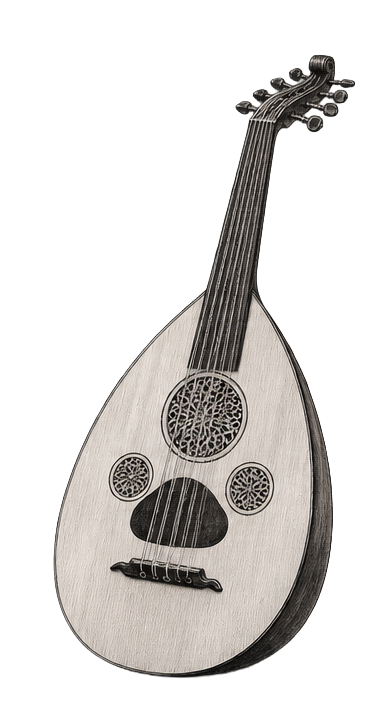
Arabic Oud
One of the defining plucked string instruments of the Arab world, the oud has a rounded body and a fretless neck, giving the player direct control over pitch, ornament and expressive inflection.
In Iraqi musical traditions, the oud is closely associated with the maqam system and has long served both intimate song and sophisticated instrumental performance.
Instrument descriptions: editorial notes for the encounter archive; visual assets adapted from the project's instrument reference material.
The music
The songs they brought into the room.
Each musician arrived with a repertoire shaped by years of study and personal history. The pieces they chose were not neutral, they were selected because of their specific cultural weight, their emotional resonance, and their relationship to what Accordi di Pace was attempting. This is the archive of what was played, sung and heard on 29 January 2016.
Marwan Samer, Salamun Alaika · Filmed at home, Rome00:00
Context & Meaning
Composed by the Iraqi poet Asaad Al-Ghariri, with music by the legendary Iraqi singer Kazem Al-Saher, released in 2008 during one of the darkest periods of Iraq's modern history, a time of sectarian violence, civil conflict and the aftermath of foreign military intervention.
The song was conceived as a message of national unity, resilience and shared identity for all Iraqis. Its lyrics invoke Iraq's ancient civilisations, the two rivers (Tigris and Euphrates), the cities of Ur and Babylon, the land of prophets, as a reminder of what endures beneath the conflict.
Because of its deeply unifying character and widespread popular resonance, Salamun Alaika has frequently been proposed as a candidate for a new Iraqi national anthem, replacing politically weighted earlier anthems.
That Marwan Samer chose to perform this song, in Rome, in 2016, before a Kurdish musician, is not incidental. It was a declaration, made through music, about what he believed Iraq to be.
Audio documentation · Fondazione Maitreya / at home, Rome · 29 January 2016. Lyrics: Asaad Al-Ghariri. Music: Kazem Al-Saher, 2008. English translation: editorial translation from the Arabic.
Marwan Samer, Khallini Ma'ak · Oud and voice00:00
Context & Meaning
"Khallini Ma'ak" (Keep me with you) is a contemporary Arabic pop and romance classic, originally released by the Lebanese-Palestinian singer Ramy Ayach on his 2004 album Ya Mosahar Ainy. The performance opens with a vocal improvisation in the Mawwal style, a freely structured, emotive form of Arabic singing rooted in classical traditions, before settling into the melody.
While it is a modern pop standard rather than an ancient folk heritage piece, Khallini Ma'ak has been widely covered and reinterpreted across the Arab world over the past two decades. Its emotional directness, a plea not to be left alone, carries a resonance that travels beyond its pop origins.
Lyrics
Arabic Script
أوليه، ها-مان تول...
(تقسيم صوتي / موال)
خَلِّيني مَعاكَ،
وِبِالسَّما وَحْدي لا تْخَلِّيني.
Transliteration
Oleyy, ha-man tool...
(Vocal improvisation / Mawwal)
Khallini me'ak,
w'bissema wahdi la tkhallini.
English
Oleyy...
(Vocal improvisation)
Keep me with you,
and do not leave me alone in the sky.
Audio documentation · Fondazione Maitreya, Rome · 29 January 2016. "Khallini Ma'ak" composed by Ramy Ayach, from the album Ya Mosahar Ainy, 2004. Opening Mawwal improvisation: traditional form. English translation: editorial translation from the Arabic.
Marwan Samer, On coexistence and what music can do00:00
On Peace · In his own words
"Siamo riusciti a trasmettere quella sensazione di amore, di pace, di quella spiritualità al pubblico."
"We managed to transmit that feeling of love, of peace, of that spirituality to the audience."
Marwan describes the encounter as an act of transmission, that what happened between the two musicians in that small room in Monti did not stay between them. It reached the forty people listening. He speaks of love, peace and spirituality not as abstract ideals but as things that were actually present that evening.
He is speaking in Italian, not his first language. The simplicity of his phrasing, "la convivenza è la cosa importante", is not a limitation. It is the most direct statement he could make.
Verbatim Italian transcription from the 2016 video documentation. English translation: editorial translation. Audio documentation · Fondazione Maitreya, Rome · 29 January 2016.
Serhat Akbal, Dewrano · Saz and voice00:00
Context & Meaning
"Dewrano" (also spelled Devrano) is a traditional Kurdish folk song whose title derives from Dewran, meaning Time, Fate, or the Turning of the Ages. Addressing Dewran in Kurdish folk culture is a way of calling out to the hardships, cruelties and changing cycles of fate: speaking to time itself as if it were a person responsible for what has happened.
The song is deeply embedded in Kurdish musical heritage, interpreted and transmitted across generations. It carries the characteristic emotive, modal storytelling style of Kurdish traditional music, often sung as a reflection on collective endurance, longing and the passage of difficult years.
Serhat Akbal described himself in the 2016 interview as coming from Kurdistan in the Turkish part. As a Kurdish political refugee living in Rome, choosing Dewrano was not a neutral act. It was a song about what his people had lived through, and what they carry with them.
Lyrics
Kurdish · Transliteration
Devrano...
De de de vri, de de vri, devrano...
Devrano...
De de de vri, de de vri, devrano...
Heyrano...
Girtum salan hevrano...
Devrano... Devrano...
Devrano... Devrano...
English
O Time, O Fate...
Turn, turn, O turning of the ages...
O Fate...
Turn, turn, O turning of the ages...
In bewilderment...
I have spent years alongside sorrow...
O Time... O Fate...
O Time... O Fate...
On Peace · In his own words
"Io racconto le mie cose con mio strumento magari tu lo stai facendo con le tue ripresa e qualcun altro fa manifestazione."
"I tell my stories with my instrument, perhaps you are doing it with your camera, and someone else through protest. Everyone has a role to play."
Audio documentation · Fondazione Maitreya, Rome · 29 January 2016. "Dewrano": traditional Kurdish folk song, origin unknown; popularised across generations by artists including Metin-Kemal Kahraman. English translation of lyrics: editorial translation from the Kurdish.
Serhat Akbal, On music, responsibility and individual action00:00
On Peace · In his own words
"Io racconto le mie cose con mio strumento magari tu lo stai facendo con le tue ripresa e qualcun altro fa manifestazione."
"I tell my stories with my instrument, perhaps you are doing it with your camera, and someone else through protest. Everyone has a role to play."
Serhat speaks about individual responsibility and the role each person plays in working toward peace. The musician contributes through his instrument; the filmmaker through the camera; the activist through protest. For Serhat, making music is not separate from political action, it is a form of it.
Speaking in Italian, not his first language, Serhat's words carry the directness that comes from saying something important in a language you are still learning. Nothing is abstract. Each word is chosen.
Verbatim Italian transcription from the 2016 video documentation. English translation: editorial translation. Audio documentation · Fondazione Maitreya, Rome · 29 January 2016.
The artists
Two musicians, speaking through their instruments.
Kurdistan · Turkey
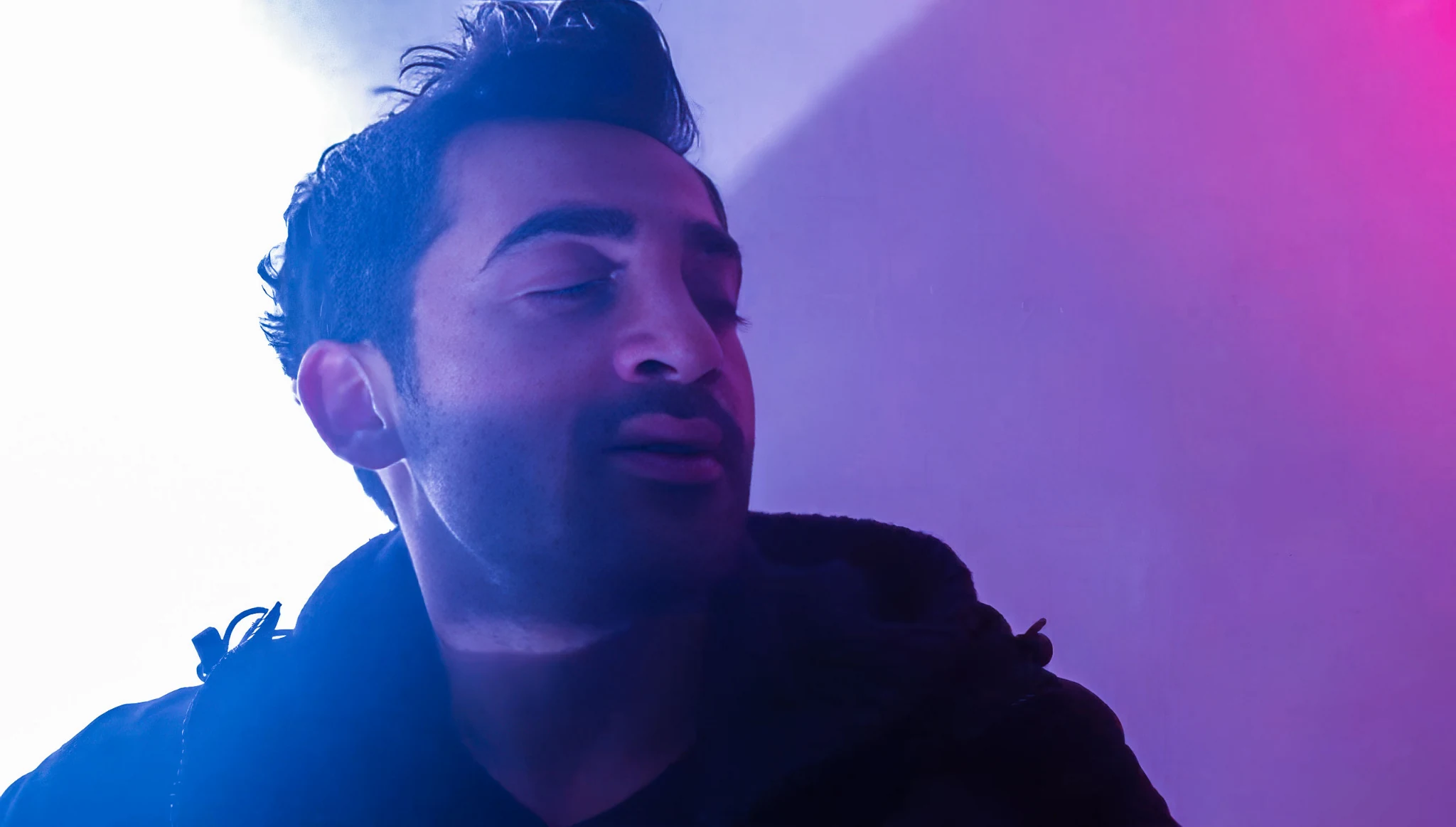
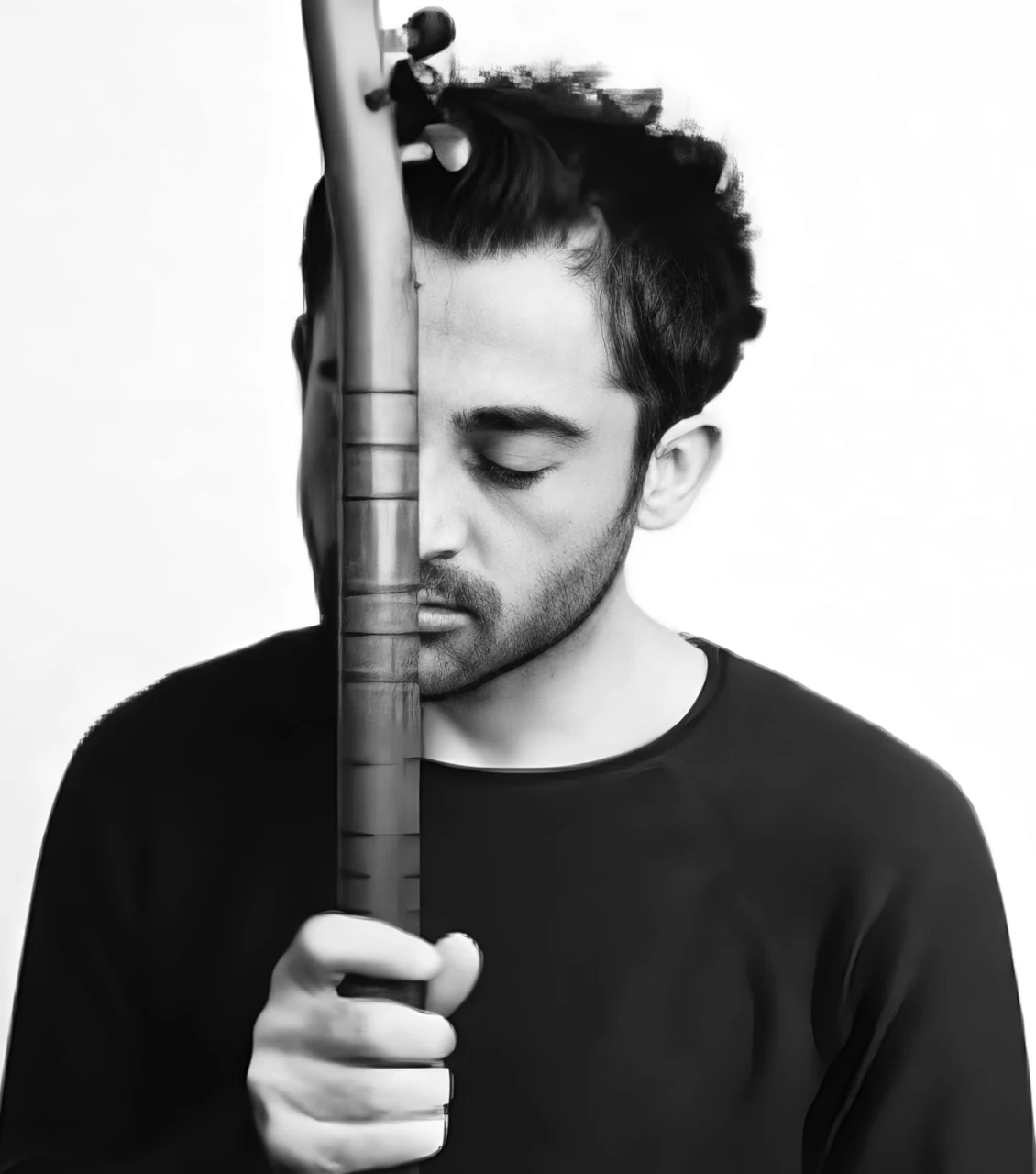
Serhat Akbal
Bağlama / Long-necked Saz Voice
Io racconto le mie cose con il mio strumento… ognuno deve fare la sua parte.
"I tell my stories through my instrument… everyone has to do their part."
Interview · January 2016
Serhat speaks about music and responsibility00:00
Serhat plays Dewrano, Traditional Kurdish00:00
Iraq · Tunisia
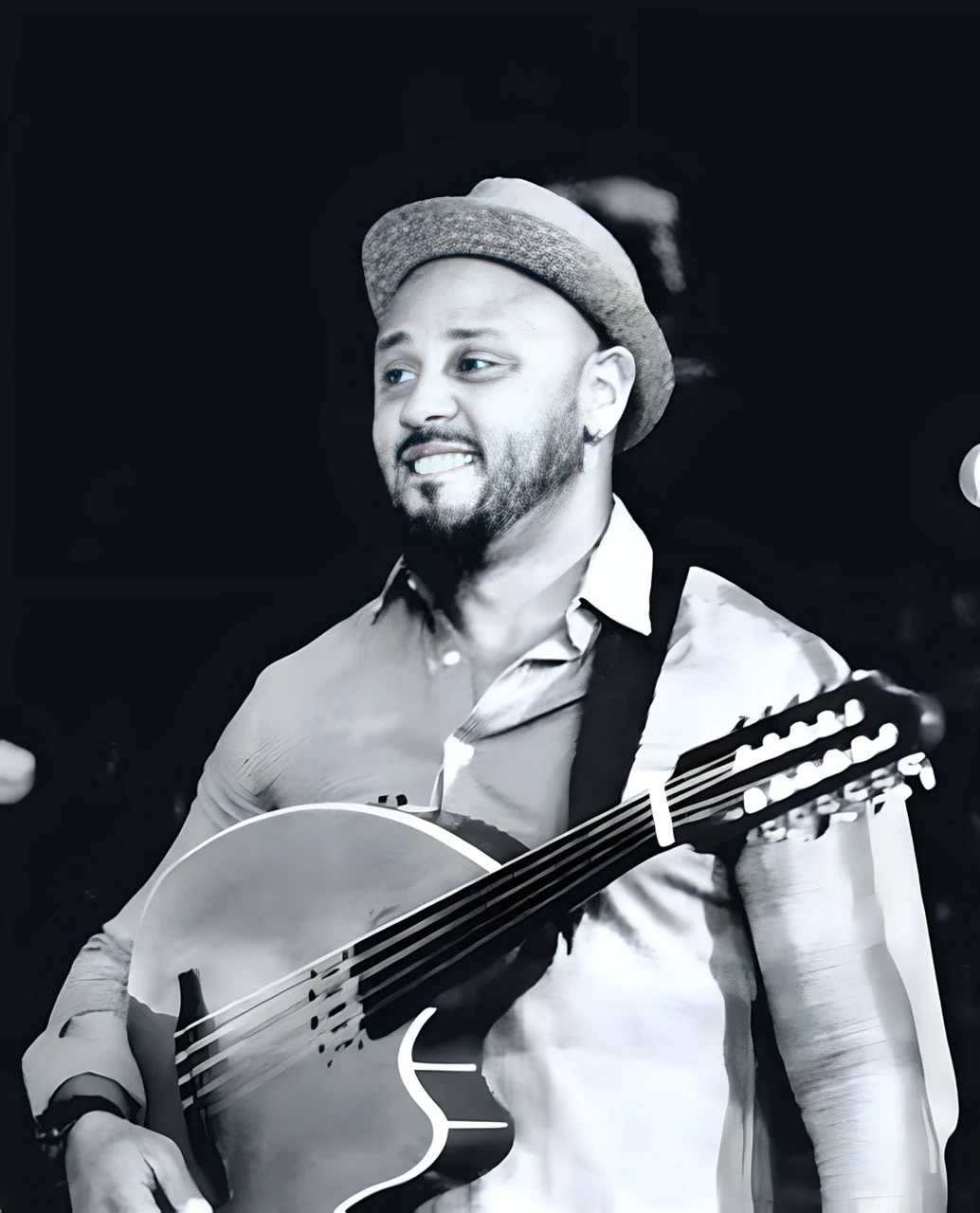
Marwan Samer
Oud Voice
Per me la convivenza è la cosa importante.
"For me, coexistence is what matters."
Interview · January 2016
Marwan speaks about coexistence00:00
Marwan sings Salamun Alaika, Kazem Al-Saher00:00
Marwan plays Khallini Ma'ak, Ramy Ayach00:00
The human encounter
Two musicians, two perspectives on what happened in the room.
After the performance, Serhat Akbal and Marwan Samer described what they believed music could do. Their words are simple, spoken in Italian, not their first language, and that simplicity is part of the record.
Serhat Akbal
Interview · Fondazione Maitreya, Rome · January 2016
Serhat speaks about individual responsibility: the musician contributes through his instrument, and the person through his action. Each person has a role to play.
"Io racconto le mie cose con mio strumento magari tu lo stai facendo con le tue ripresa e qualcun altro fa manifestazione."
"I'm playing with my instrument, you are filming, and someone else is manifesting."
Marwan Samer
Interview · At his home, Rome · January 2016
For Marwan, the encounter is described through what was shared with the audience: music from across the Middle East, and the feeling of love, peace and spirituality that he believed reached the room.
"Sola convivenza per me la convivenza è la cosa importante e la pace è tutta questa cosa."
"For me, coexistence is the important thing, and peace is all of this."
Verbatim Italian transcriptions from the 2016 video documentation. English translations are editorial translations.
What emerged
Music became a shared language without asking either musician to leave his own behind.
Original project mark · 2016
Serhat spoke of responsibility, Marwan spoke of coexistence. Together, their words show what the evening made possible.
Sources: 2016 video documentation; Culture del Mondo announcement; interviews with Serhat Akbal and Marwan Samer, January 2016.
The archive
What remains.
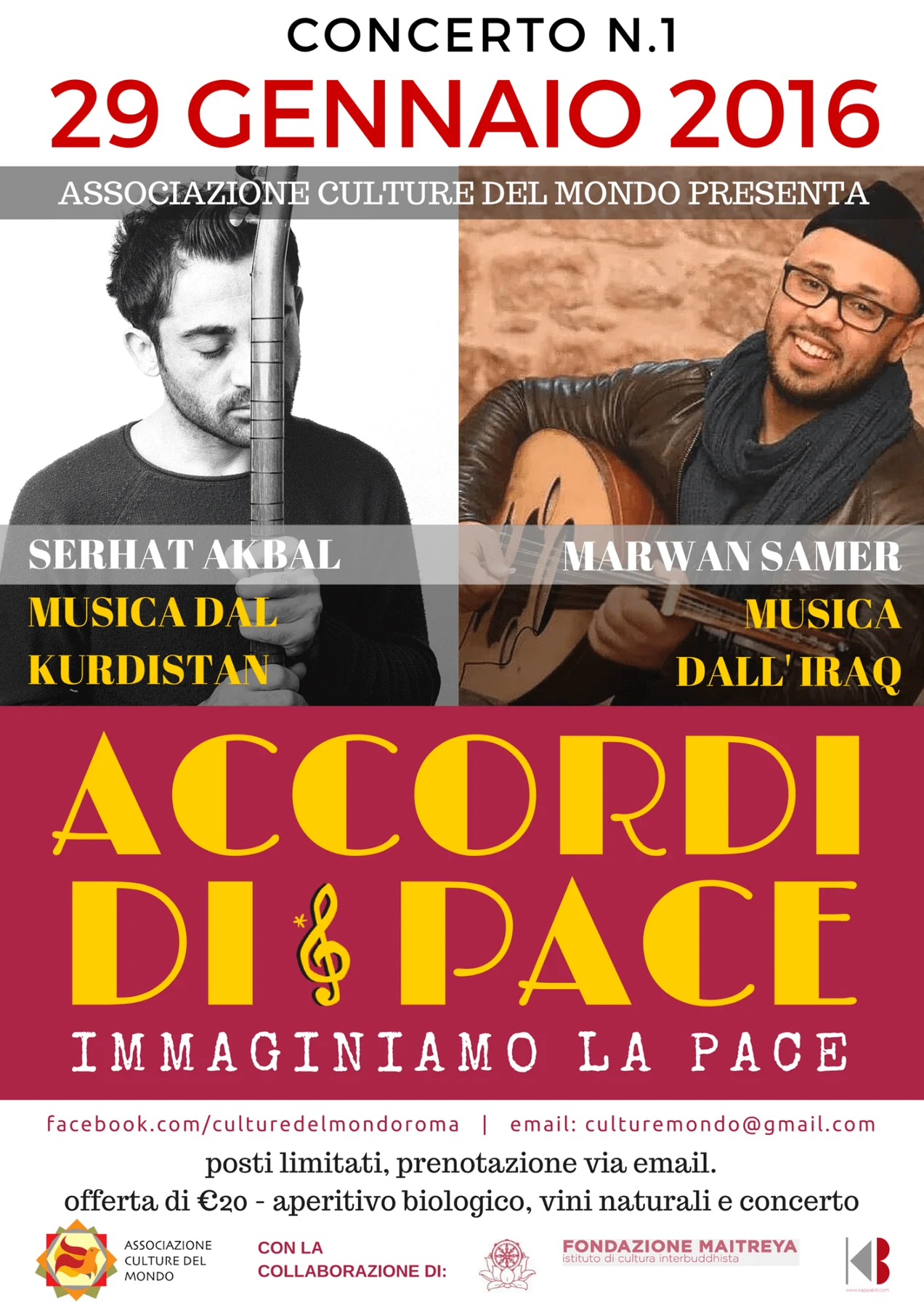
Original promotional poster · 29 January 2016.
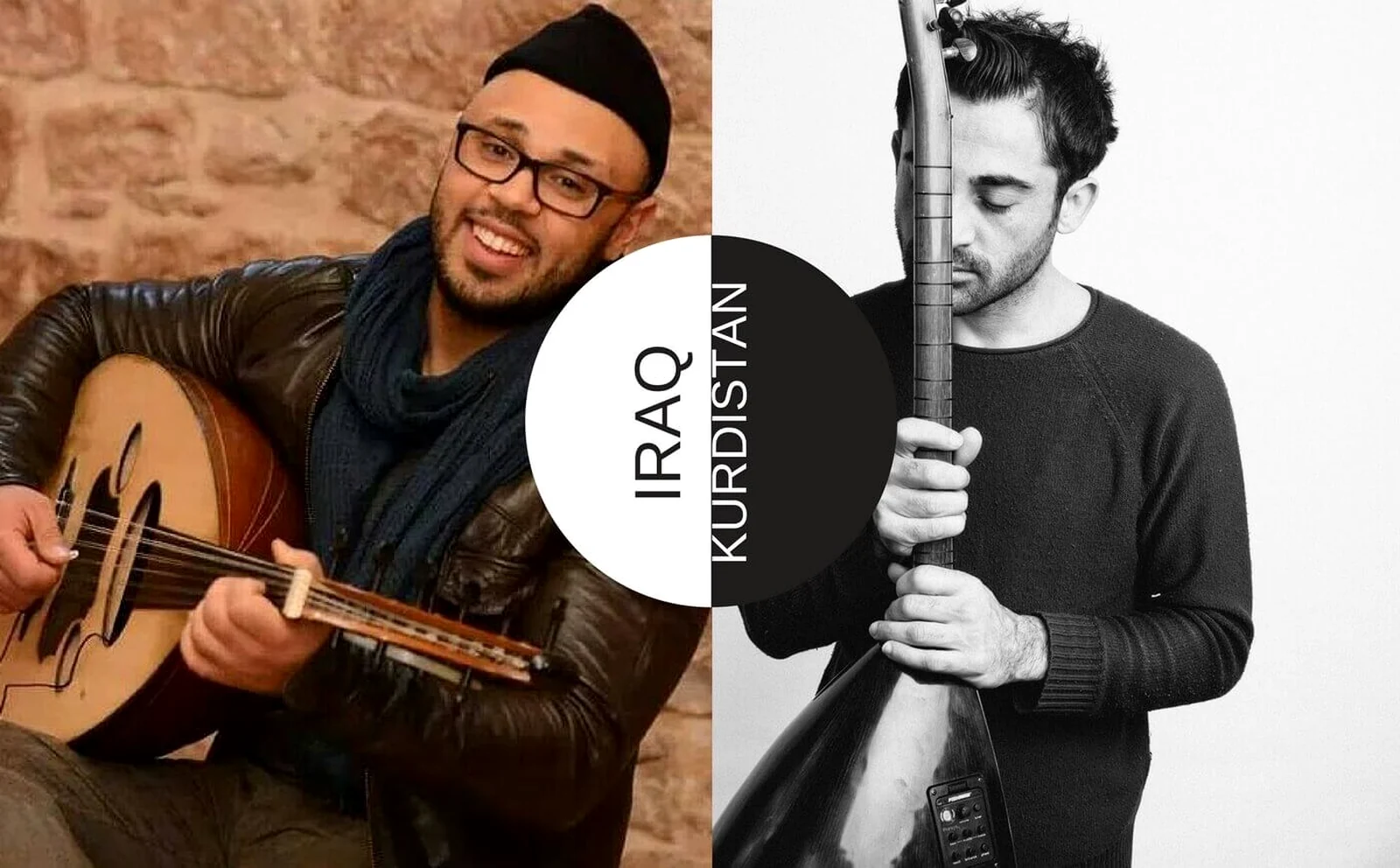
Promotional composite · 2016.
Documents
Original posterConcerto n.1 · 29 January 2016
Project announcementCulture del Mondo · January 2016
FormatFive intimate concerts planned from January to May 2016.
The original 2016 video contains performance footage and interviews with both musicians. The source material is preserved here as part of the encounter archive.